Why Third Party Liability Insurance Is Mandatory for Car Owners
Owning a car is more than just enjoying comfort and mobility; it also means accepting legal and social responsibility. One of the most important responsibilities every car owner must fulfill is having third party liability insurance.
Owning a car is more than just enjoying comfort and mobility; it also means accepting legal and social responsibility. One of the most important responsibilities every car owner must fulfill is having third party liability insurance. While many drivers consider it a basic legal formality, this type of insurance plays a far greater role in protecting individuals, families, and society at large. Accidents are unpredictable and can occur even when drivers follow all traffic rules. When such incidents involve injury, death, or property damage to others, the financial and legal consequences can be overwhelming without insurance support.
Third party liability insurance exists to ensure that innocent victims are not left without compensation and that car owners are protected from catastrophic financial loss. Governments across the world mandate this insurance because it balances public safety with financial accountability. In this article, we will explore what third party liability insurance is, why it is legally mandatory, how it works, and why every car owner should take it seriously.
Table of Contents
ToggleUnderstanding Third Party Liability InsuranceWhat Is Third Party Liability Insurance?What Does Third Party Liability Insurance Cover?What Is Not Covered Under Third Party Insurance?Why Third Party Liability Insurance Is Mandatory by LawLegal Requirement for Car OwnersProtecting the Rights of Accident VictimsEnsuring Financial ResponsibilityHow Third Party Liability Insurance Protects Car OwnersLegal Protection Against ClaimsCoverage for Serious Financial RisksPractical Accident ScenarioConsequences of Driving Without Third Party Liability InsuranceLegal Penalties and FinesPersonal Financial LiabilityLong-Term Legal ImpactThird Party Liability Insurance vs Comprehensive InsuranceKey Differences ExplainedCost ConsiderationsChoosing the Right CoverageHow Third Party Liability Insurance WorksClaim Process ExplainedCommon Mistakes to AvoidSocial Benefits of Mandatory Third Party Liability InsuranceEncouraging Responsible DrivingFaster Compensation for VictimsReduced Legal BurdenKey TakeawaysFAQs
Understanding Third Party Liability Insurance
What Is Third Party Liability Insurance?
Third party liability insurance is a type of car insurance that covers damages or injuries caused by your vehicle to another person, their vehicle, or their property. In insurance terms, the “third party” refers to anyone other than the policyholder and the insurance provider. This coverage ensures that if you are responsible for an accident, the affected party receives financial compensation without needing to pursue long legal battles.
This insurance does not protect your own vehicle or personal injuries, but it fulfills a crucial role by safeguarding others from the financial impact of road accidents.
What Does Third Party Liability Insurance Cover?
Third party insurance coverage generally includes compensation for bodily injury, permanent disability, or death of another person involved in an accident caused by your vehicle. It also covers damage to third-party property, such as another car, a building, or public infrastructure. In many cases, legal expenses related to third-party claims are also handled by the insurance company.
Because the financial costs of medical treatment and property repairs can be extremely high, this coverage protects car owners from paying these expenses out of pocket.
What Is Not Covered Under Third Party Insurance?
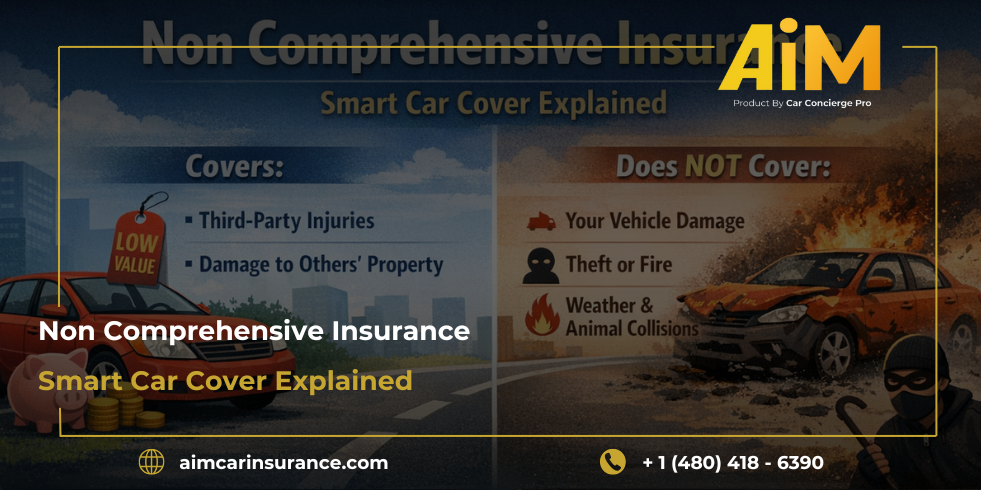
While third party liability insurance is essential, it has clear limitations. It does not cover damage to your own car, injuries to you as the driver, or losses caused by theft, fire, or natural disasters. Understanding these exclusions helps car owners make informed decisions about whether to upgrade to comprehensive insurance in the future.
Why Third Party Liability Insurance Is Mandatory by Law
Legal Requirement for Car Owners
Third party liability insurance is legally required under motor vehicle laws in most countries. These laws are designed to ensure that every vehicle operating on public roads carries a minimum level of financial protection. Driving without this insurance is considered a violation, regardless of how carefully a person drives.
The legal requirement exists because vehicles pose a potential risk to others. Mandatory insurance ensures that this risk is responsibly managed.
Protecting the Rights of Accident Victims
One of the strongest reasons third party liability insurance is compulsory is to protect accident victims. Without mandatory coverage, injured individuals may struggle to receive compensation, especially if the at-fault driver lacks sufficient financial resources. Insurance guarantees that victims receive timely financial support for medical treatment, rehabilitation, or property repair.
This approach reduces injustice and ensures that road accident victims are not left helpless.
Ensuring Financial Responsibility
By making liability insurance for car owners mandatory, governments enforce financial discipline among drivers. It ensures that the cost of accidents is not shifted to victims, hospitals, or the legal system. Instead, responsibility remains with vehicle owners who choose to use public roads.
How Third Party Liability Insurance Protects Car Owners
Legal Protection Against Claims
Road accidents often lead to legal claims that can demand significant compensation. Third party liability insurance protects car owners by handling these claims through the insurance company. The insurer manages legal processes, negotiates settlements, and pays compensation within policy limits, reducing stress and financial exposure for the driver.
Coverage for Serious Financial Risks
Medical expenses for accident-related injuries can quickly escalate, especially in cases of long-term treatment or permanent disability. Similarly, damage to high-value vehicles or property can result in massive repair costs. Third party insurance ensures these financial risks are covered, protecting car owners from severe economic hardship.
Practical Accident Scenario
Imagine causing an accident that results in severe injuries to another driver. Hospital bills, loss of income, and compensation claims could amount to a life-changing financial burden. With third party insurance, these costs are covered by the insurer, ensuring the victim is compensated and the car owner avoids financial ruin.
Consequences of Driving Without Third Party Liability Insurance
Legal Penalties and Fines
Driving without third party liability insurance can result in heavy fines, cancellation of vehicle registration, suspension of driving privileges, or even imprisonment in severe cases. Authorities enforce these penalties strictly to discourage uninsured driving.
Personal Financial Liability
If an uninsured driver causes an accident, they are personally responsible for all damages. This includes medical bills, repair costs, and court-ordered compensation. In serious cases, this liability can exceed a person’s lifetime savings.
Long-Term Legal Impact
Accidents involving injury or death can lead to prolonged legal proceedings. Courts often treat the absence of insurance as negligence, which may worsen legal outcomes and penalties.
Third Party Liability Insurance vs Comprehensive Insurance
Key Differences Explained
Third party insurance covers only the damage caused to others, while comprehensive insurance includes protection for both third parties and the policyholder’s own vehicle. Comprehensive policies also cover theft, fire, and natural disasters.
Cost Considerations
Third party car insurance is significantly more affordable than comprehensive insurance, making it accessible to all vehicle owners. This affordability is one reason it is mandated by law.
Choosing the Right Coverage
For older vehicles with lower market value, third party insurance may be sufficient. However, owners of new or expensive cars often choose comprehensive insurance for broader protection.
How Third Party Liability Insurance Works
Claim Process Explained
When an accident occurs, the incident must be reported to the police and the insurance company. The insurer investigates the claim, verifies liability, and processes compensation to the third party as per legal guidelines. This structured process ensures transparency and fairness.
Common Mistakes to Avoid
Delays in reporting accidents, lack of proper documentation, or providing inaccurate information can weaken claims. Car owners should always follow correct procedures to ensure smooth claim settlement.
Social Benefits of Mandatory Third Party Liability Insurance
Encouraging Responsible Driving
Knowing that accidents have financial and legal consequences encourages drivers to follow traffic rules and drive responsibly. This contributes to overall road safety.
Faster Compensation for Victims
Mandatory insurance ensures that accident victims receive compensation without unnecessary delays, reducing emotional and financial stress.
Reduced Legal Burden
With insurance companies handling claims, courts can resolve disputes faster, improving efficiency within the legal system.
Key Takeaways
Third party liability insurance is not merely a legal requirement—it is a vital safety net for society. It protects victims, ensures financial accountability, and shields car owners from devastating liabilities. Ignoring it exposes drivers to serious legal and financial risks that far outweigh the cost of maintaining an active policy.
FAQs
1. Why is third party liability insurance mandatory for car owners?
It ensures that victims of road accidents receive financial compensation and that drivers are held financially accountable.
2. Does third party liability insurance cover my own car damage?
No, it only covers injuries or damage caused to third parties.
3. What happens if I drive without third party insurance?
You may face legal penalties, fines, license suspension, and full personal liability for damages.
4. Is third party insurance enough for daily driving?
It meets legal requirements, but comprehensive insurance offers broader protection.
5. Who benefits most from third party liability insurance?
Accident victims benefit directly, while car owners gain legal and financial protection.
6. Can I upgrade from third party to comprehensive insurance later?
Yes, you can upgrade your policy at the time of renewal.
Related Articles
More from the blog
You read the article. Now save the money.
Every story above has a fix. AiM is the fix. Send us your declarations page and we'll show you exactly what you can save. Same coverage, lower premium.
Share your policy
Send the form, then reply to the confirmation email with your declarations page attached.
We compare 50+ carriers
Side-by-side benchmark on your exact coverage.
We negotiate
We do the back-and-forth. You get the savings.
$0 if no savingsNo obligationFirst response within 24 hours
Before you send anything over, you can read exactly what we charge and what recent clients saved.